From Power-Hungry Chillers to Heat-Driven Cooling
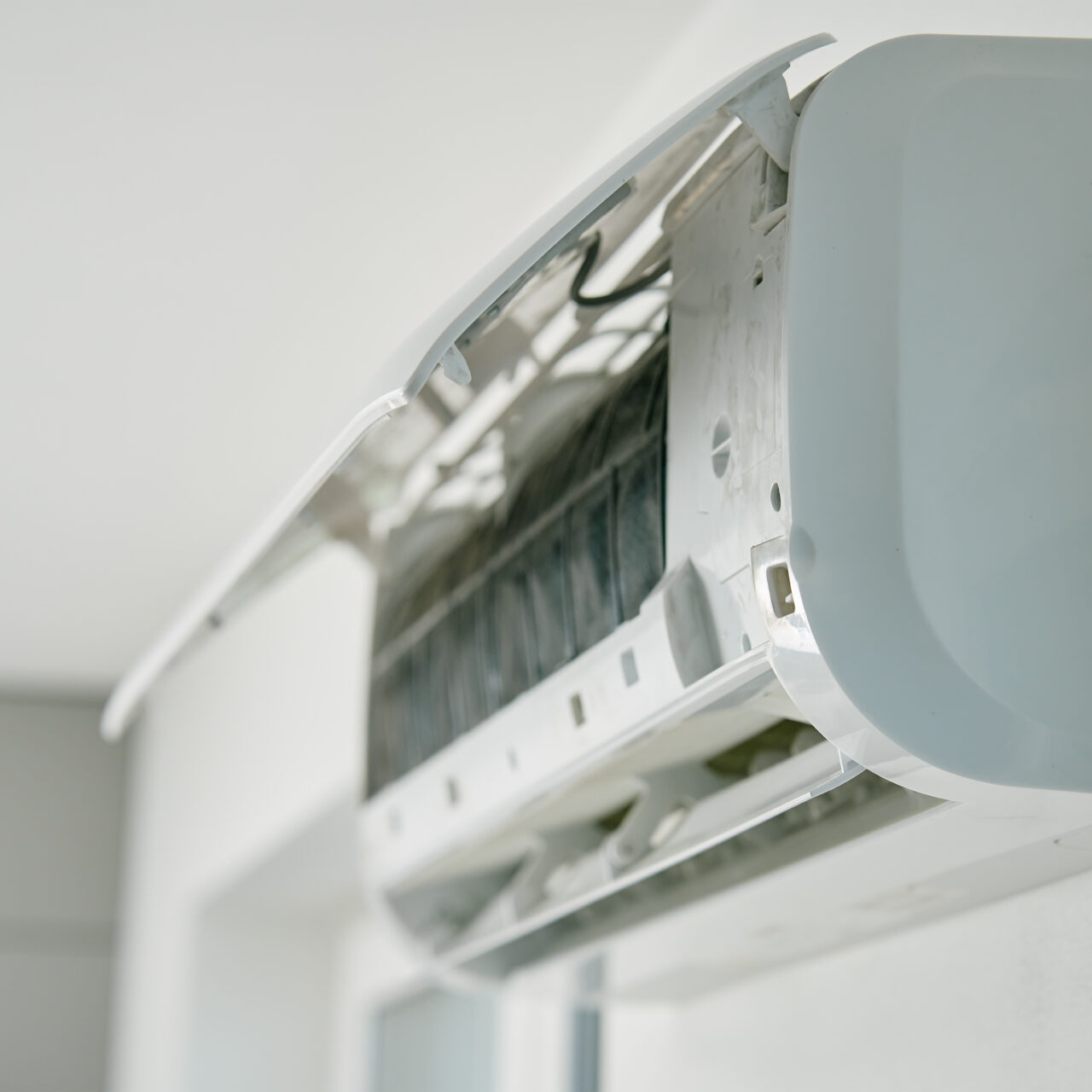
When at least 15% of the world’s electricity is used for cooling, it’s only natural to ask whether we can cool buildings and industrial processes in a completely different way – without power-hungry compressors and problematic refrigerants. CARA Cooling has developed a water-based cooling technology powered by surplus heat, and this project will stress test and characterise the first prototype at DTU’s PowerLab to prepare the solution for the next development steps.
Cooling is expensive in both energy and environmental terms
Cooling in large buildings and industrial plants is one of the big hidden climate drivers, because conventional systems consume large amounts of electricity and typically rely on refrigerants that are either harmful to the climate and environment or risky to handle. Despite international agreements, the industry still uses freon-like and HFO-based refrigerants that can degrade into persistent substances such as TFA and end up in the aquatic environment, while alternatives like ammonia are both toxic and explosive. At the same time, high complexity and strict installation and service requirements make many systems costly to build and operate – and the potential to reuse surplus heat is often left untapped.
Water as refrigerant and surplus heat as the energy source
CARA Cooling has developed a cooling concept that uses water as both working and cooling medium, and surplus heat from, for example, CHP units or industrial processes as the energy source for cooling. At the core of the system is a newly developed turbo compressor and a patented process setup that enables efficient cooling without HFC/HFO gases and without electrically driven compressors. In this project, the first prototype will be installed and tested at DTU’s PowerLab, where controllable hot water supply, cooling systems, measurement equipment and technical/academic support will be used to run measurement campaigns that map operating ranges, temperatures and energy performance – and thereby optimise both components and application areas.
From prototype to global green cooling
In the short term, the goal is to move the technology from concept to a documented and optimised prototype that shows how much electricity consumption and CO₂ emissions can actually be reduced in practice, and under which temperature and operating conditions the solution performs best. This characterisation will sharpen CARA Cooling’s business cases and reduce risk for customers and investors. In the longer term, the vision is to offer a scalable, water-based cooling solution that can cut electricity use for cooling by up to 80%, completely avoid problematic refrigerants and become a natural choice for large buildings and industrial plants – first in Denmark and Northern Europe, and later in key markets such as the USA and the Middle East, where the need for sustainable cooling is immense.
Duration
01/10/2025 – 31/12/2025
Budget
200.000
Supported by


Partners


Other projects
All projects-
Trace
Trace contributes to Denmark reaching the national climate goals within the circular economy by 2050 with a focus on…
-
Ocean Valley
The Øresund region has a unique opportunity. On both sides of the sea, there are strong energy systems, industrial…
-

Lighthouse for Water Technology – Phase III
Driving innovation and global leadership in sustainable water technology
-
LogiCCS
This project aims to develop sustainable, energy-efficient maritime logistics for transporting carbon dioxide (CO2)…