Construction’s forgotten resource: giving used formwork panels a new life
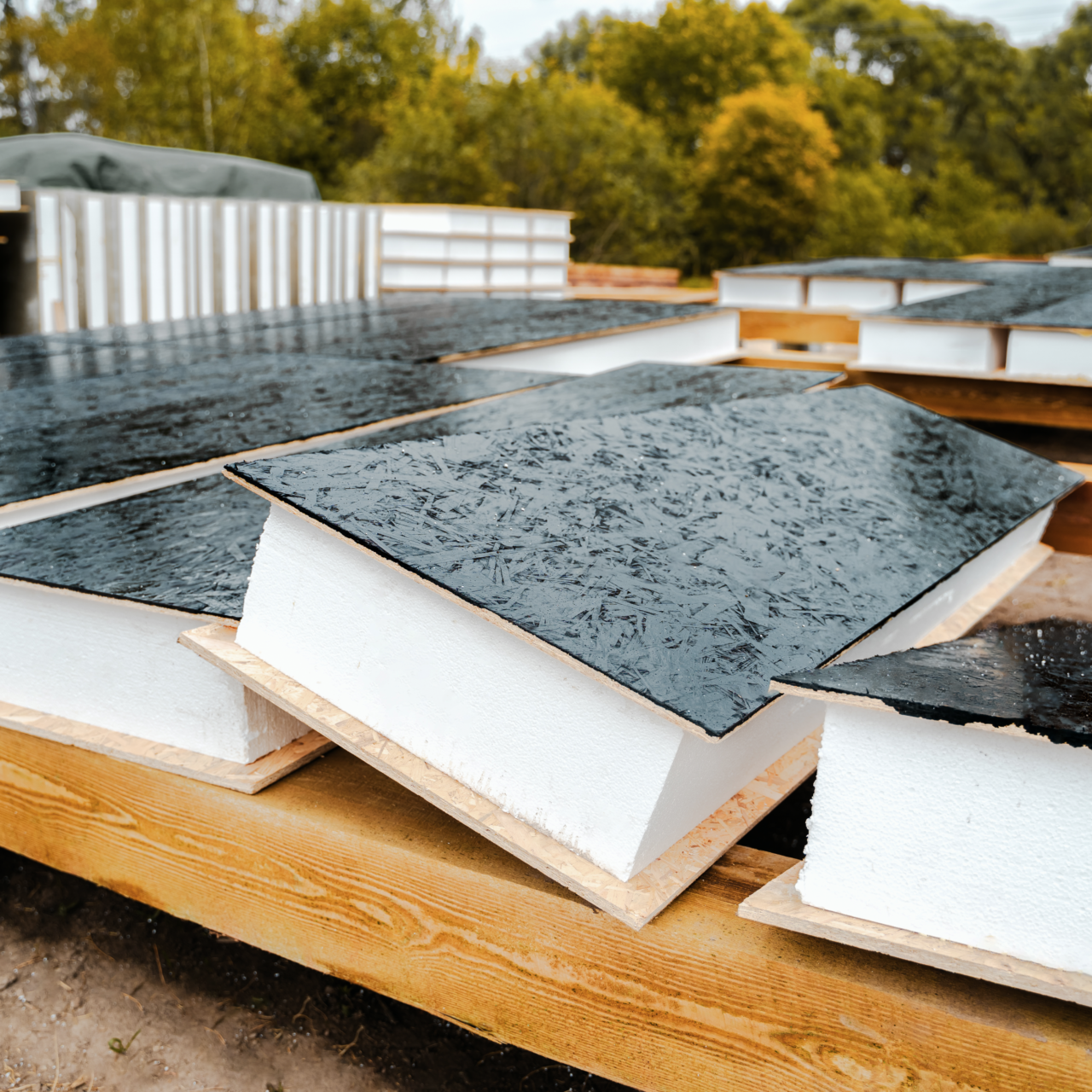
Today, formwork panels are often discarded after only a few uses, even though they represent a significant hidden resource in construction, both in terms of cost and climate impact. CYCLEUP and FORCE Technology aim to demonstrate that used panels can be regenerated industrially to match new ones in quality, while at the same time delivering a documented CO₂ reduction.
Single-use formwork costs resources and CO₂
Formwork panels make up a substantial waste stream on construction sites, where they are typically thrown away long before their material potential is exhausted. This leads to unnecessary consumption of timber, energy and chemicals for new panels, and large volumes of construction waste that must be handled and disposed of. At the same time, clients and contractors are increasingly demanding documented circular solutions that can be included in certifications and comply with EU taxonomy requirements, but they lack tested alternatives that can replace “new” materials without compromising technical performance and documentation.
Industrial regeneration with documented performance
The project develops a proof-of-concept for an industrial regeneration process in which used formwork panels are rebuilt using microwave technology, thermosetting adhesives and a new surface film. The goal is to restore the panels’ strength, functionality and service life so they can stay in circulation instead of becoming waste. CYCLEUP leads the development of the regeneration concept and its integration into the construction value chain, while FORCE Technology conducts mechanical strength tests, durability assessments and CO₂ documentation, allowing regenerated panels to be benchmarked directly against new panels and industry standards.
From waste product to documented circular building material
In the short term, the ambition is to move the technology from lab stage to prototype (TRL 4–5) with a robust test basis showing that regenerated panels can be recirculated 10–20 times and deliver a clear CO₂ saving. This documentation should enable contractors and clients to include the panels in climate accounts, certifications and tenders where circularity is a key criterion. In the longer term, the vision is for regeneration of formwork panels to become a new norm in construction, first in Denmark and then across Europe.
Duration
01/12/2025 – 01/06/2026
Budget
200.000
Supported by


Partners

Other projects
All projects-
Trace
Trace contributes to Denmark reaching the national climate goals within the circular economy by 2050 with a focus on…
-
Ocean Valley
The Øresund region has a unique opportunity. On both sides of the sea, there are strong energy systems, industrial…
-

Lighthouse for Water Technology – Phase III
Driving innovation and global leadership in sustainable water technology
-
LogiCCS
This project aims to develop sustainable, energy-efficient maritime logistics for transporting carbon dioxide (CO2)…