17. Jun 2025
The future looks pitch black – and that’s actually a good thing.
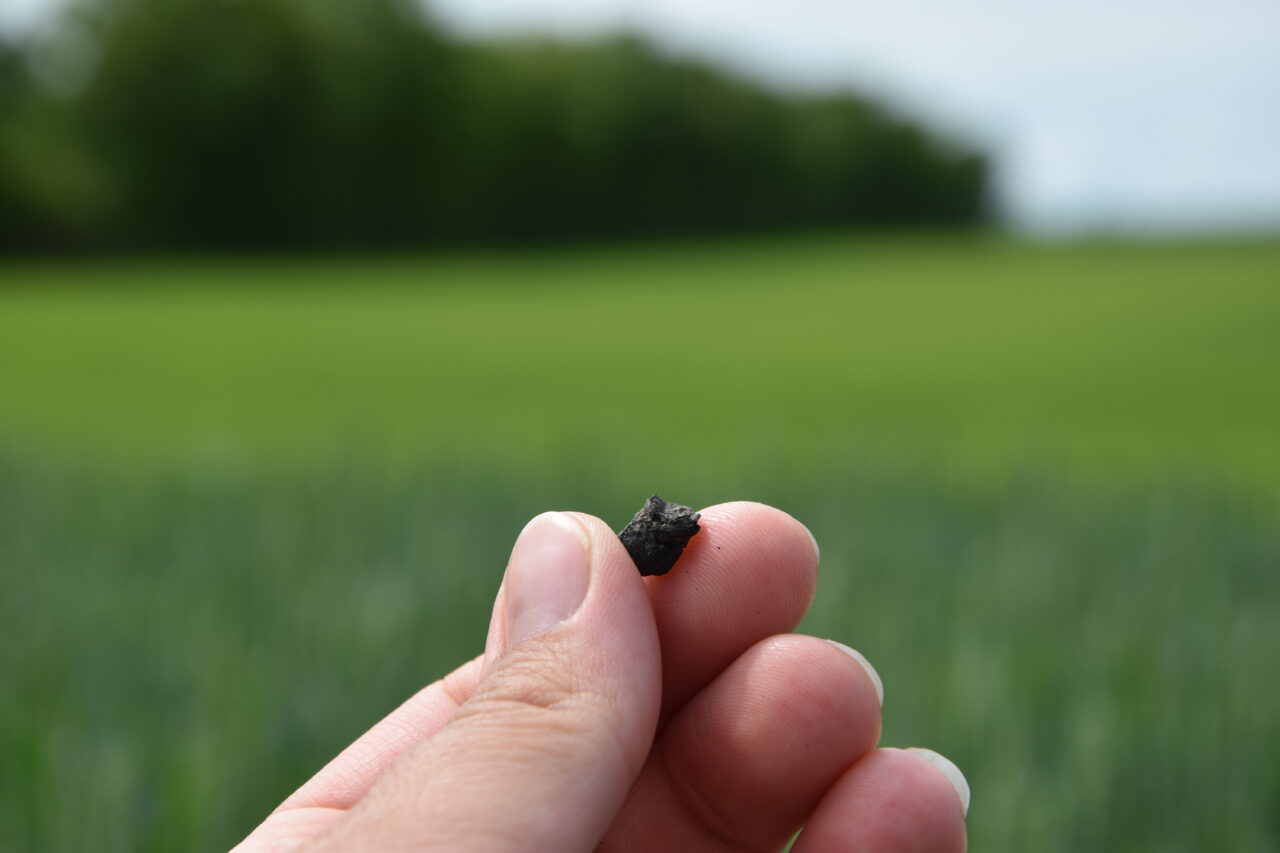
When it comes to pyrolysis and biochar, black really is the new green. The dark, carbon-rich material produced when biomass is heated without oxygen has the potential to play a key role in climate mitigation. From long-term carbon storage in soils to improved agricultural practices, biochar is gaining ground – quite literally.
4th of June, the two INNO-CCUS projects, SIMPLY and BioStore, brought together researchers, municipalities, and businesses at the University of Copenhagen’s research station in Taastrup. The summer seminar featured new findings, field experiments, and essential discussions about how to move pyrolysis from theory to practice – and into the soil.
From biomass to biochar: The SIMPLY project boosts carbon storage in agriculture
The interdisciplinary seminar clearly showed how science, technology, society and planning processes must go hand in hand if Denmark is to achieve its ambitious climate goals. SIMPLY delivers new knowledge on how pyrolysis can be integrated into existing frameworks and how value chains – from biomass to biochar and carbon capture – can be made economically and administratively sustainable.
Read more about the SIMPLY project
Interdisciplinarity and anchoring are key
The seminar clearly showed that pyrolysis and biochar are not just technical solutions, but part of a larger societal transition that requires collaboration across disciplines, sectors and administrative levels. It is precisely this realization that lies behind the organization of the two projects:
Societal transitions are complex processes that require broad involvement and anchoring. The process of establishing a Danish pyrolysis sector is no exception. To support this work, the two INNO-CCUS projects BioStore and SIMPLY have been developed as interdisciplinary, context- and impact-oriented projects. The fact that we can organize a joint project seminar with such broad support further strengthens the interdisciplinarity, qualification and dissemination of the knowledge produced. – Tobias Pape Thomsen, Associate Professor at RUC and Project Manager for Simply.
With input from researchers, practitioners, planners and investors, the seminar was a clear step towards building the necessary bridges – from knowledge to action, and from experimentation to social solution.
Field visits and future perspectives
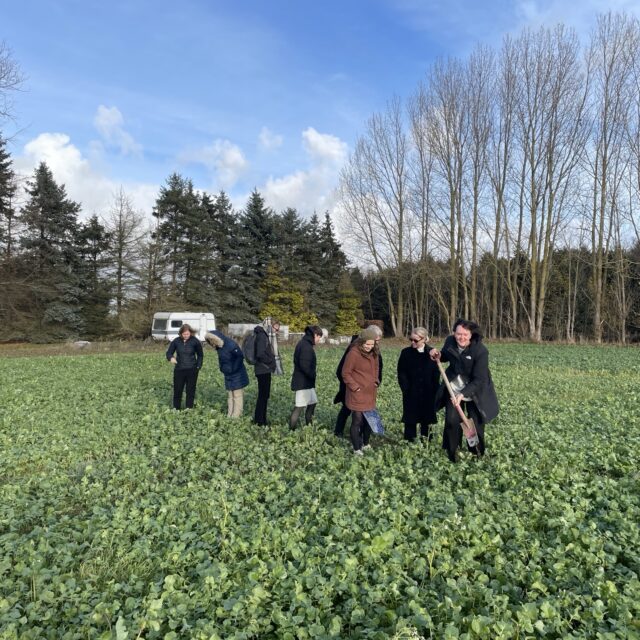
With a map in hand, participants were guided around the various biochar field trials where they could experience first-hand how biochar affects soil and crops in practice. The atmosphere was high, and there was a shared curiosity and energy around the project – from specific soil profiles to big questions about the technology’s role in future agriculture.
Further work in SIMPLY and BioStore
Both SIMPLY and BioStore are now continuing their work to deepen and disseminate the knowledge that will make pyrolysis and biochar robust and applicable climate solutions in a Danish context. The two projects work closely together to ensure that research and practice go hand in hand and that new knowledge can quickly be brought into play among farmers, authorities and decision-makers.
What is pyrolysis and biochar – and how is it used in agriculture?
Pyrolysis is a thermochemical process in which biomass – for example straw, manure or garden waste – is heated without oxygen. This results in the formation of biochar, which is a stable form of carbon. When biochar is spread on agricultural land, it can improve soil structure and fertility, as well as retain moisture, reduce nutrient leaching – not to mention sequester carbon in the soil for decades or even centuries.
In this way, pyrolysis acts as a negative carbon emission method because it removes carbon from the atmosphere and stores it in the soil – while creating value in agriculture.
Latest news
All news
26. Feb 2026
Clean Insights report : When rain becomes a system challenge

25. Feb 2026
New Interreg project to pioneer stormwater solutions across borders
19. Feb 2026
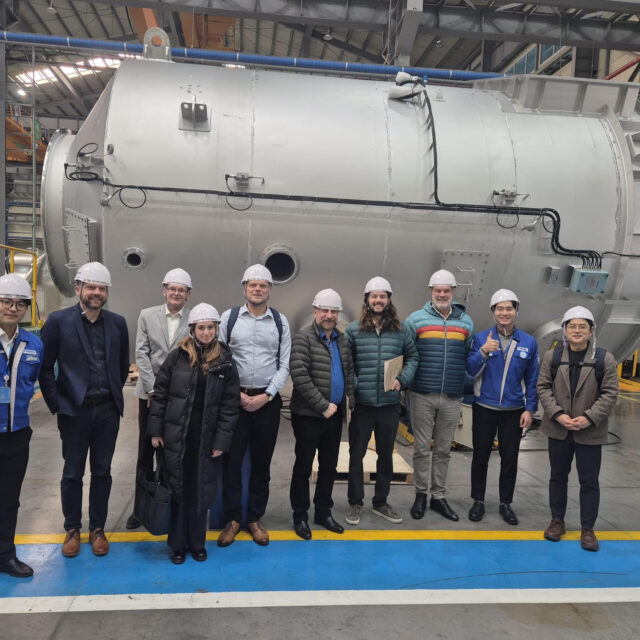
Danish experience on a Korean scale

3. Feb 2026
New recruitment methods strengthen Danish companies’ access to international specialists

16. Jan 2026
5 key EU funding programmes: Has your project found the right fit?
2. Jan 2026
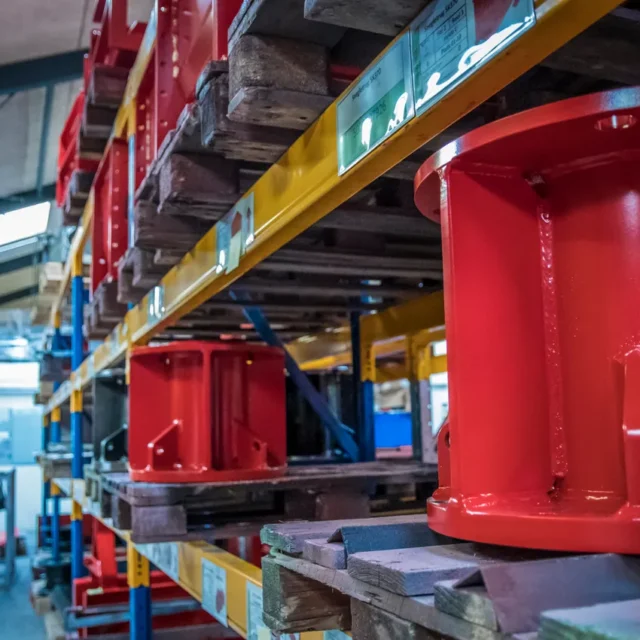
From idea to testing: Vibration sensor helps RUNI predict wear on expensive machine parts

18. Dec 2025
A new grant strengthens Danish water solutions and helps companies move from idea to market.
16. Dec 2025
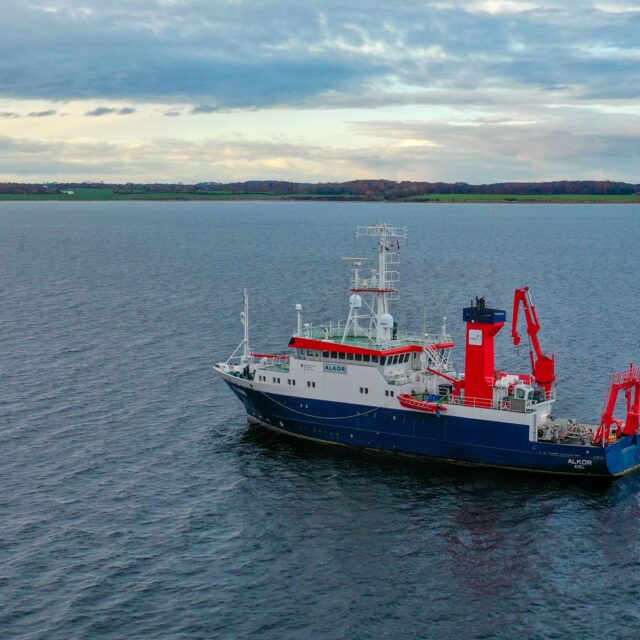
How can the environmental health of the Baltic Sea be improved?
26. Nov 2025
Network on Carbon Removal and CCUS Strengthens Ties Through Delegation Trip in Denmark

25. Nov 2025
From methane to microplastics: 14 SMEs receive support to tackle concrete environmental challenges
20. Nov 2025
ReefCircular gains international dream partner: New collaboration with WSP is a direct result of Clean-funded pilot project

19. Nov 2025
No company can become circular on its own: more SMEs will develop solutions together through new value chain collaborations

17. Nov 2025
Clean at COP30: From Kalundborg to Belém
31. Oct 2025
Seaweed, Science and Solutions
29. Oct 2025
Shallow groundwater: From challenge to business opportunity for SMEs and startups
27. Oct 2025
British Water and Clean join forces to strengthen water sector collaboration
22. Oct 2025
Danish companies open doors in China
17. Oct 2025
Common challenges, common solutions – knowledge sharing between Denmark and Brazil
16. Oct 2025
Two years of collaborative work ending
10. Oct 2025
Climate adaptation in the border region with POSEIDON
7. Oct 2025
Rock Flour Company receives €6.1 million
29. Sep 2025
10 SMEs in new cross-border pilot projects
24. Sep 2025
PlastTrack at the 100% Climate Neutrality Conference – Making the invisible visible
15. Sep 2025