31. Oct 2025
Seaweed, Science and Solutions
When the beaches of Belize are covered in towering piles of foul-smelling seaweed, local authorities and communities – heavily dependent on tourism – face a growing environmental challenge.
Now, Danish expertise and Caribbean initiative are coming together in a collaboration that aims to turn the problem into a sustainable solution.
Now, Danish knowledge and Caribbean drive are being combined in a collaboration to investigate how the problem can be turned into a sustainable solution. When Dr. Albert Binger, UN energy advisor and coordinator for SIDS DOCK, visited Denmark earlier this year, Kasper Havemann, Senior Project Manager at Clean, arranged a meeting between him and Associate Professor Tobias Pape Thomsen from Roskilde University.
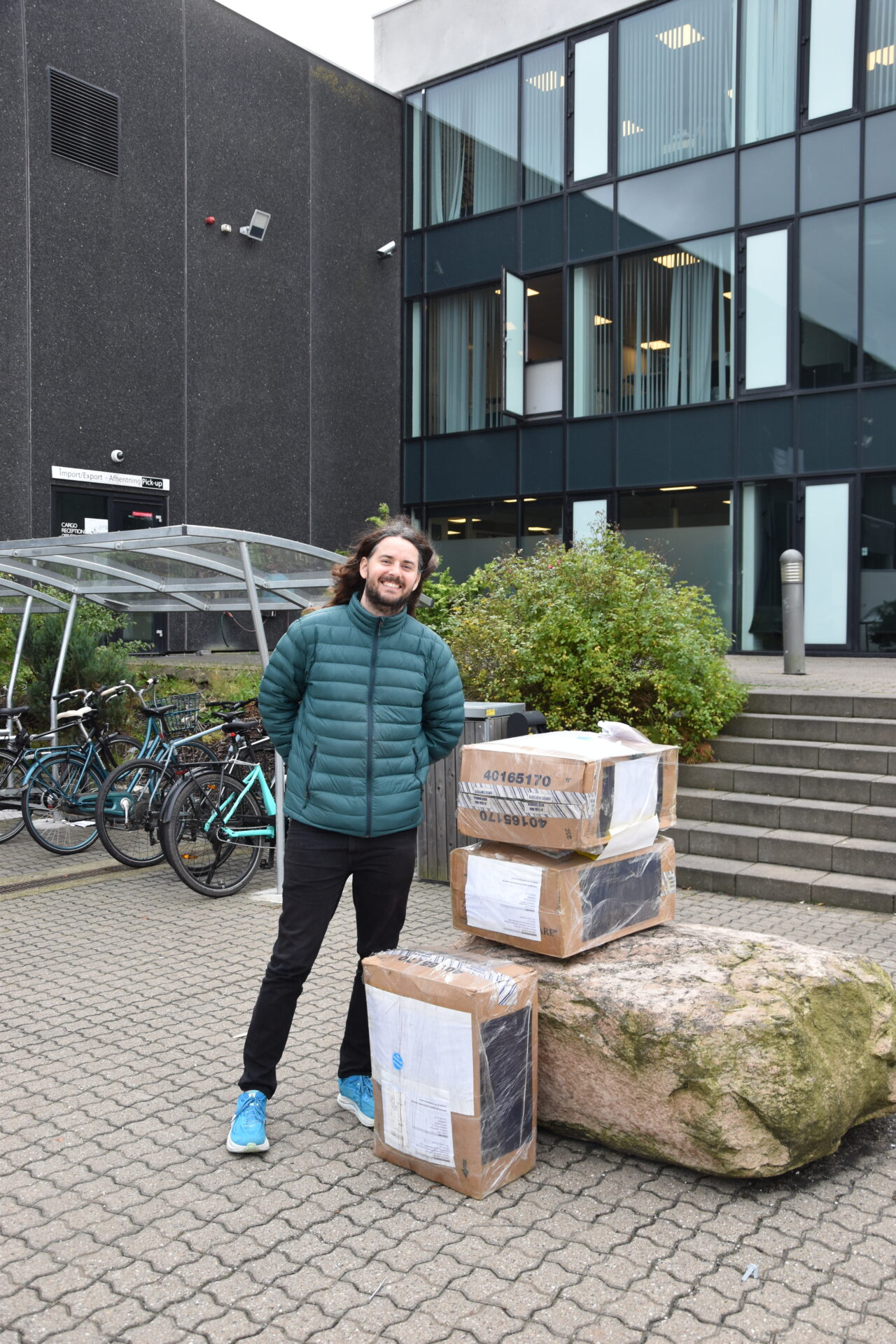
The meeting launched a collaboration that has now resulted in 27 kilograms of sargassum seaweed from Belize being sent to Denmark.
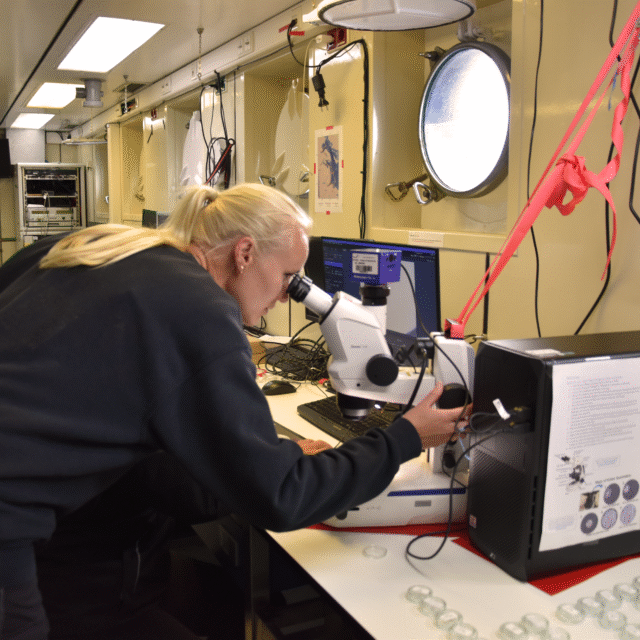
The shipment was received at Copenhagen Airport by Kasper Havemann and has now been delivered to DTU Risø, where researcher Giulia Ravenni is examining the seaweed in the laboratory.
The aim is to generate new knowledge about how seaweed can be used in pyrolysis processes and contribute to solving a specific environmental challenge in the Caribbean.
From Beach Mess to Climate Success
Sargassum seaweed is an invasive species that is spreading in the warm waters around Belize and the rest of the Caribbean. It originally comes from colder regions, but now washes up on beaches in huge quantities – much to the detriment of tourism. The purpose of the collaboration between SIDS DOCK, DTU, and RUC is not to use the seaweed in Denmark, but to investigate its composition and potential—to create data that the UN and local actors in the Caribbean can use to address the challenge. The goal is to find out whether Danish suppliers of pyrolysis technologies can contribute with solutions that can be used locally in Belize, the Caribbean, and the Gulf of Mexico.
It is fantastic to discover that even though much of the knowledge and technologies we develop in Denmark are created for a Danish context, parts of it can still be applied in completely different contexts. The collaboration with SIDS in Belize is a good example of this. The case is radically different from what we normally work with, but as long as we are aware of the differences and open to learning new things, we can use our knowledge and bring Danish-developed technology into play – and create value on the other side of the globe. – Tobias Pape Thomsen, Associate Professor, RUC.
A little about pyrolysis and the Simply project
Pyrolysis is a process in which biomass is heated without oxygen and converted into bio-oil and biochar, among other things:
- Bio-oil can replace fossil fuels, and because it emits the same amount of CO₂ that the biomass absorbed during its growth, the CO₂ balance is zero.
- Biochar binds carbon and can be used for long-term storage of CO₂ in the soil.
The SIMPLY project represented an important step in the work to make pyrolysis technology a central part of the green transition.
The project focused on adapting methods for assessing climate impact, setting targets, and developing frameworks and incentives that support the implementation of pyrolysis in Denmark.
The project is part of INNO-CCUS and works in particular with:
- Removing barriers in regulation and municipal planning.
- Developing incentive structures in key value chains.
- Mapping resources and market opportunities for pyrolysis products.
SIMPLY built bridges between technical, scientific, and social science perspectives—and aimed to accelerate the spread of pyrolysis in Denmark and internationally.
By analyzing seaweed through pyrolysis, researchers can therefore both understand its climate potential and identify technological solutions that can be implemented directly in the affected areas.
The project is co-financed by the Danish Agency for Education and Research.
International cooperation with perspective
At Clean, the initiative is seen as an example of how Danish expertise and technologies can make a difference in a global context.
At Clean, we are delighted to be able to help international actors under the UN gain access to Danish expertise and specialist knowledge within environmental technologies – including pyrolysis. Denmark has great potential to achieve a strong international position in this field, and by creating an overview of the biomass available globally, we can also help Danish companies to scale up and enter into international collaborations in the longer term. We hope that this can be a way for us to contribute to solving a significant local problem – for the benefit of both the local community, Danish researchers, and companies – Kasper Havemann, Senior Project Manager, Clean.
From airport to laboratory
After passing through customs, the 27 kilograms of sargassum seaweed are now in place in the laboratory at DTU Risø, where Giulia Ravenni is conducting the initial analyses.
The results will form the basis for further collaboration between SIDS DOCK, DTU, RUC, and Clean—and may pave the way for new Danish solutions to an international environmental challenge.


Latest news
All news
26. Feb 2026
Clean Insights report : When rain becomes a system challenge
25. Feb 2026
New Interreg project to pioneer stormwater solutions across borders
19. Feb 2026
Danish experience on a Korean scale
3. Feb 2026
New recruitment methods strengthen Danish companies’ access to international specialists
16. Jan 2026
5 key EU funding programmes: Has your project found the right fit?
2. Jan 2026
From idea to testing: Vibration sensor helps RUNI predict wear on expensive machine parts

18. Dec 2025
A new grant strengthens Danish water solutions and helps companies move from idea to market.
16. Dec 2025
How can the environmental health of the Baltic Sea be improved?
26. Nov 2025
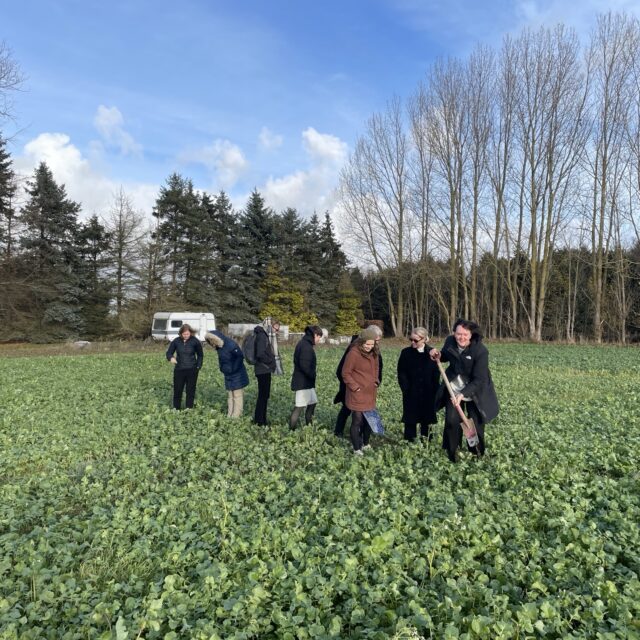
Network on Carbon Removal and CCUS Strengthens Ties Through Delegation Trip in Denmark
25. Nov 2025
From methane to microplastics: 14 SMEs receive support to tackle concrete environmental challenges
20. Nov 2025
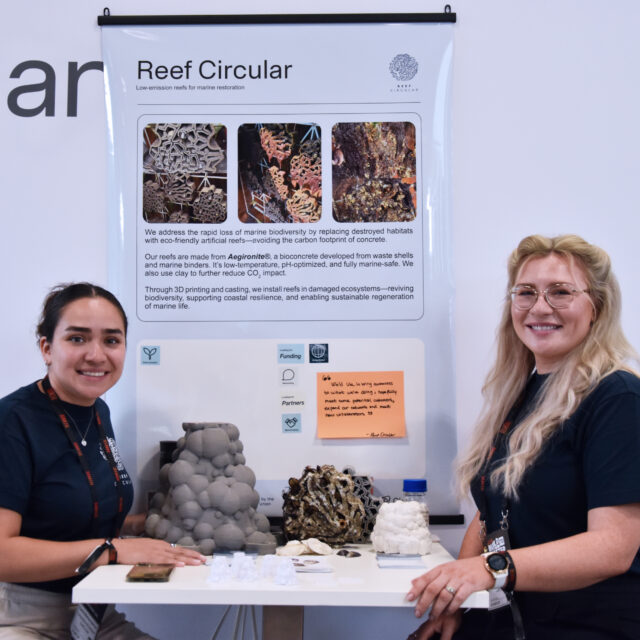
ReefCircular gains international dream partner: New collaboration with WSP is a direct result of Clean-funded pilot project

19. Nov 2025
No company can become circular on its own: more SMEs will develop solutions together through new value chain collaborations
17. Nov 2025
Clean at COP30: From Kalundborg to Belém
29. Oct 2025
Shallow groundwater: From challenge to business opportunity for SMEs and startups
27. Oct 2025
British Water and Clean join forces to strengthen water sector collaboration
22. Oct 2025
Danish companies open doors in China
17. Oct 2025
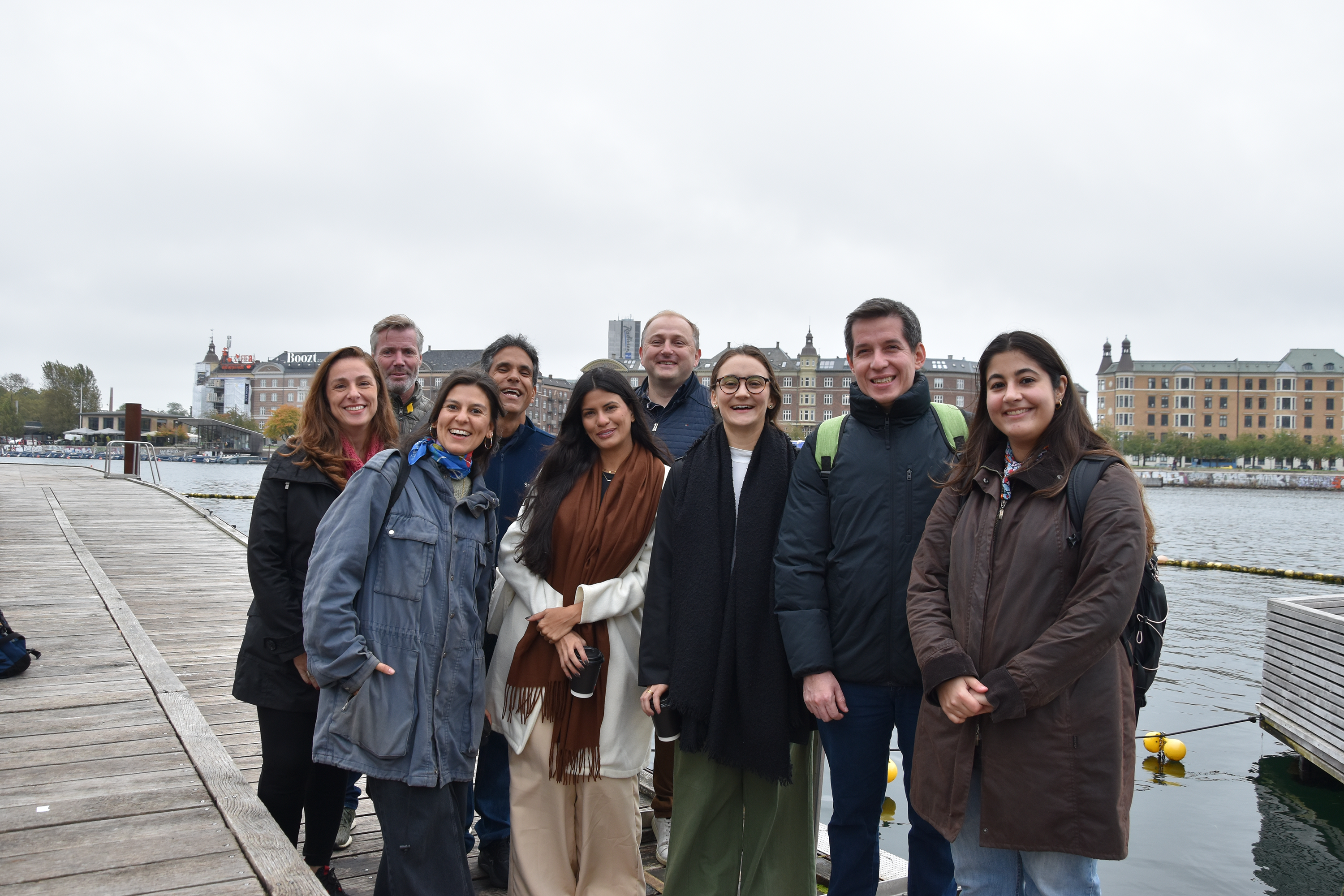
Common challenges, common solutions – knowledge sharing between Denmark and Brazil
16. Oct 2025
Two years of collaborative work ending
10. Oct 2025
Climate adaptation in the border region with POSEIDON
7. Oct 2025
Rock Flour Company receives €6.1 million
29. Sep 2025
10 SMEs in new cross-border pilot projects
24. Sep 2025
PlastTrack at the 100% Climate Neutrality Conference – Making the invisible visible
15. Sep 2025