26. Nov 2025
Network on Carbon Removal and CCUS Strengthens Ties Through Delegation Trip in Denmark
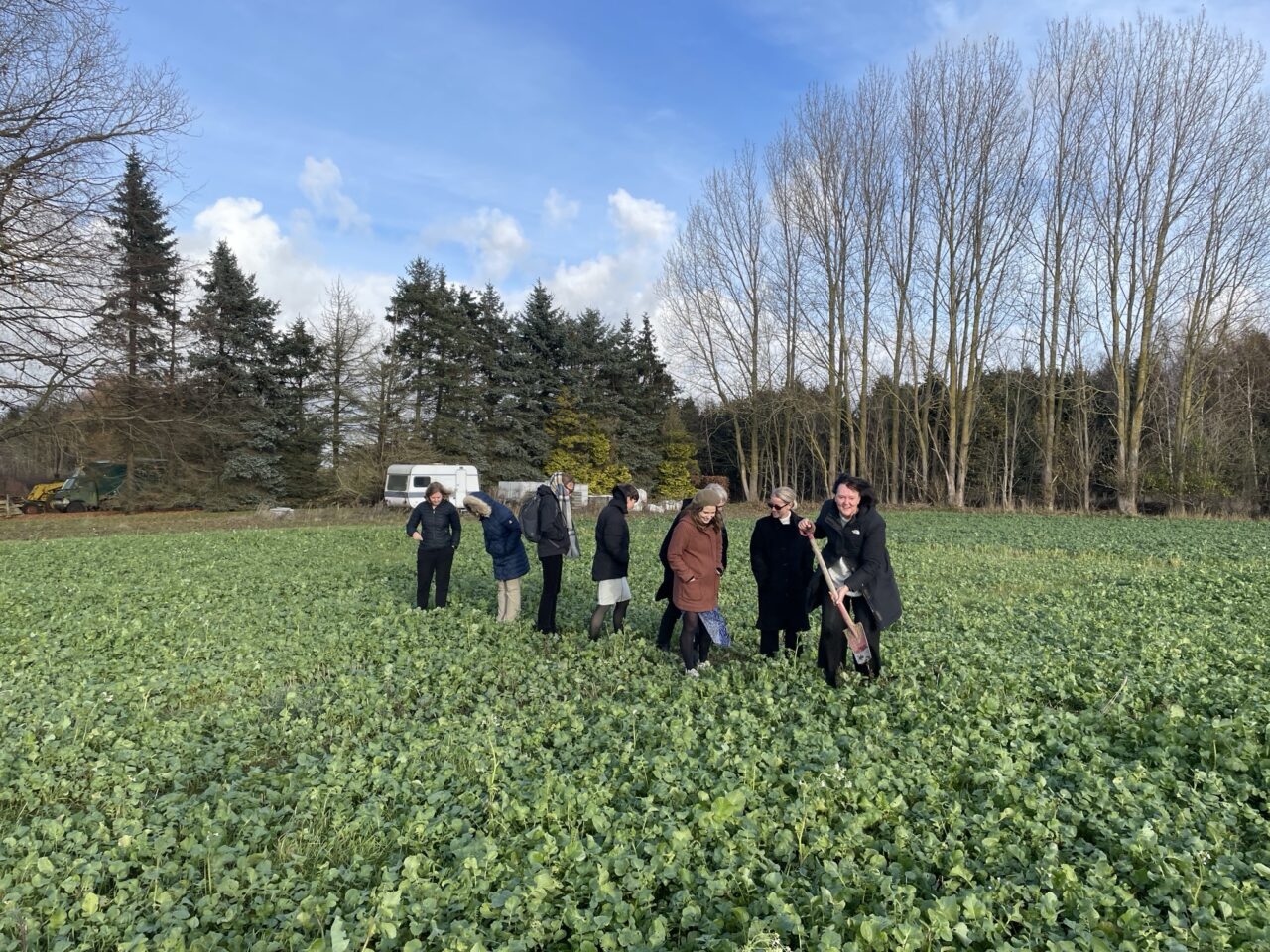
As part of the Danish–American Research and Innovation Network on Carbon Removal and CCUS, we at Clean, together with INNO-CCUS and the Innovation Centre Denmark Silicon Valley, had the pleasure of hosting a week-long Danish–US California Delegation on Carbon Removals mid-November. This visit marks an important milestone in expanding scientific collaboration between Denmark and the United States on carbon capture, utilisation, storage, and carbon dioxide removal.
Why Delegation Trips Matter
Delegation trips are a vital tool in international research and innovation partnerships. While virtual meetings build the initial connections, it is through in-person engagement that trust, shared understanding, and long-term collaboration truly take shape. Delegation visits allow researchers, innovators, and industry leaders to experience technologies first-hand, meet the people behind pioneering solutions, and explore the local ecosystems that drive climate innovation.
For a field as dynamic and complex as CCUS and carbon removal, these exchanges are particularly important. They create the space for deep technical dialogue, reveal opportunities that cannot be spotted from afar, and help align research and policy ambitions across borders. This delegation trip is one of the core elements of the network’s structure—designed to accelerate progress towards Denmark’s 2030 and 2050 climate goals, while strengthening ties with leading American institutions.
A Week Showcasing Danish Excellence in Carbon Removals
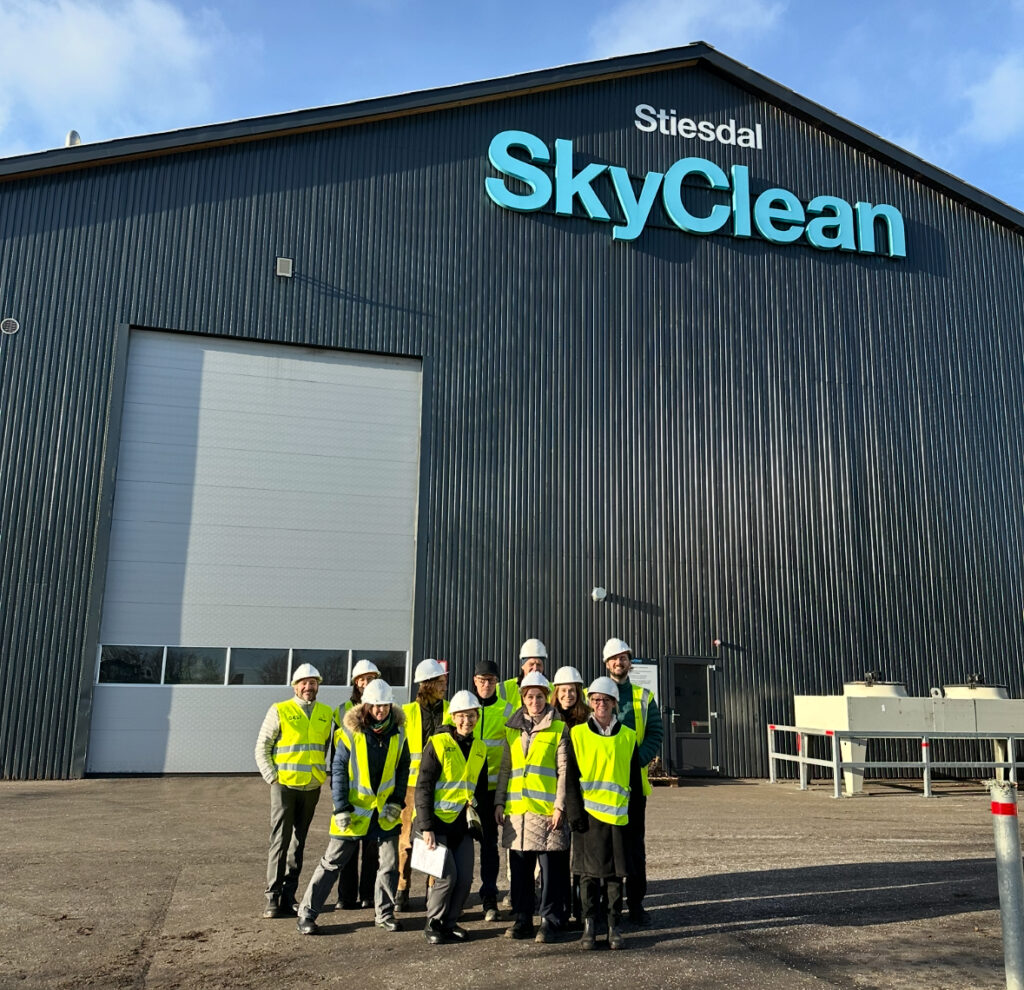
Our delegation from Stanford University joined us for an intensive programme highlighting Denmark’s research strengths, industrial capabilities, and emerging innovation pathways in carbon removal. The programme placed particular emphasis on two fast-advancing areas: biochar and enhanced rock weathering.
Throughout the week, we benefited from insightful presentations and discussions with a wide range of Danish experts and organisations, including GEUS, Rock Flour Company, Roskilde University (RUC), DTI, The University of Copenhagen (KU), Aarhus University (AU), Novonesis, and Stiesdal.
Participants also visited key facilities across the country, gaining valuable insight into how Danish science and industry are working together to scale credible carbon removal solutions.
Highlights from the Delegation Week
-
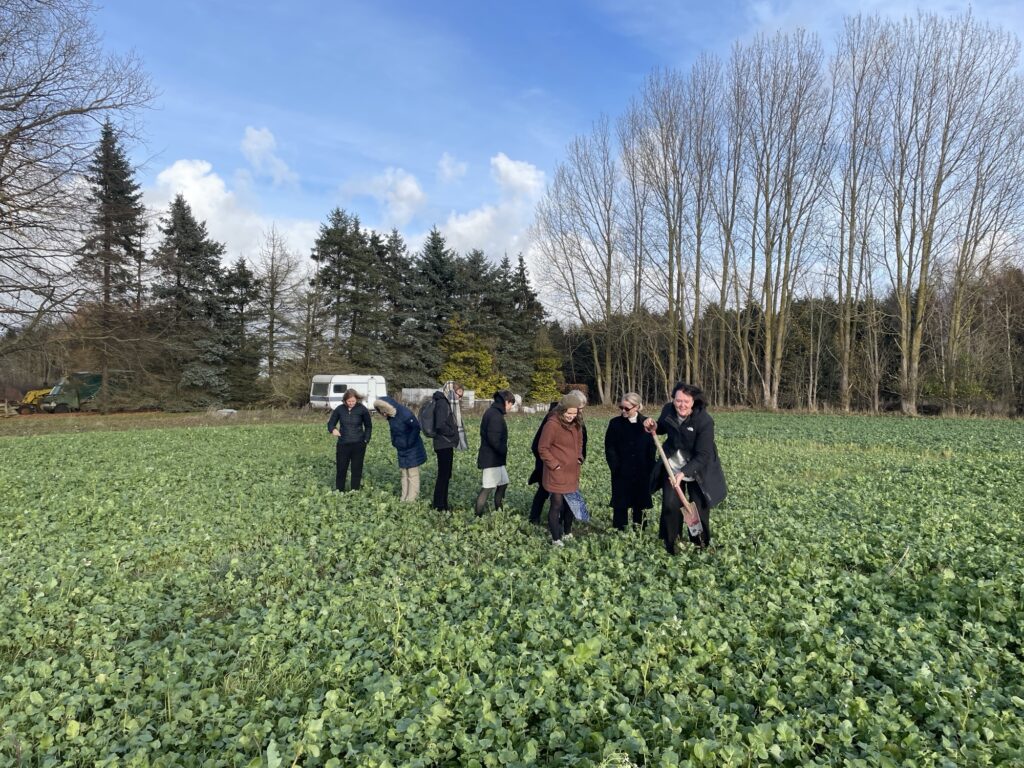
Exploring the potential of rock flour for carbon capture, soil remediation, and agricultural co-benefits
-
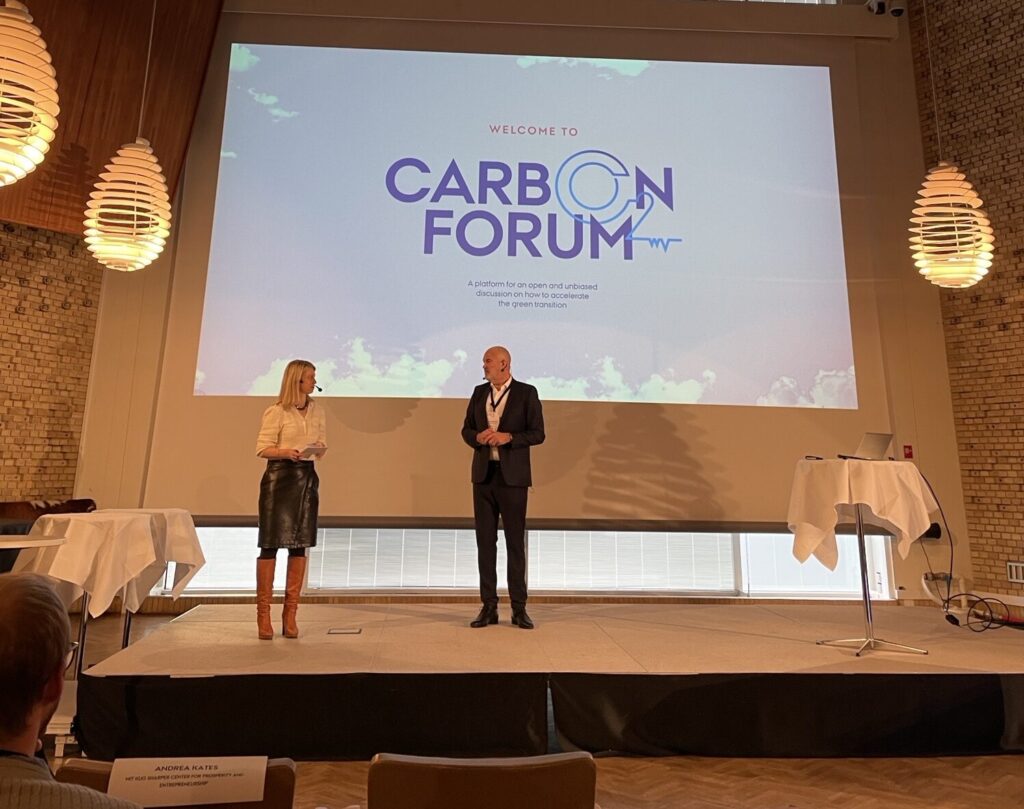
Participating in the CORC Forum, hosted by the Novo Nordisk Foundation CO₂ Research Center
-
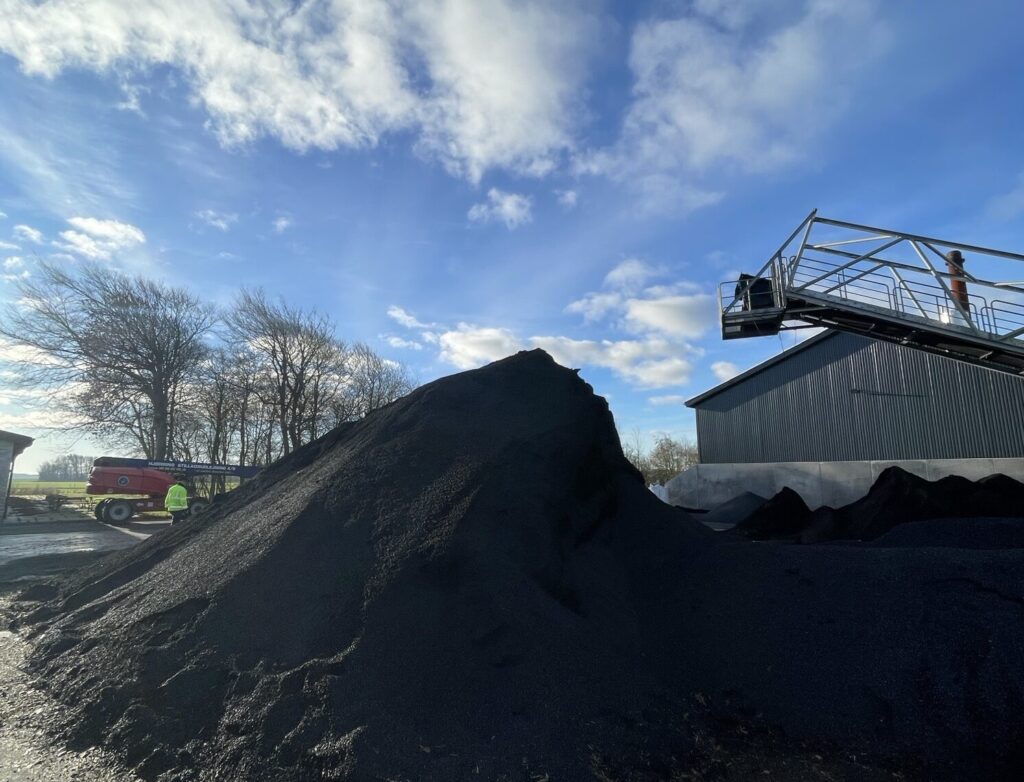
Visiting the world-leading Stiesdal SkyClean facility for an in-depth look at scalable biochar-based carbon removal, led by Henrik Stiesdal and Jesper Ahrenfeldt
These activities underscored Denmark’s vibrant innovation ecosystem and the strong complementarity between Danish and Californian research environments.
Laying the Groundwork for Long-Term Collaboration
This delegation trip forms part of a broader initiative that brings together top research institutions and innovation clusters from both countries. On the Danish side, the project is anchored by INNO-CCUS (DTU Chemistry) and Clean, while the US partners include the Stanford Doerr School of Sustainability, Lawrence Livermore National Laboratory (LLNL), and Lawrence Berkeley National Laboratory (LBNL).
The network supports a structured pathway for ongoing collaboration—ranging from researcher exchanges and funding applications to participation in key conferences such as the INNO-CCUS Annual Conference and the West Coast CDR Conference. The project also explores new joint funding avenues, including CET Partnership, the US National Science Foundation, the US Department of Energy, and EU Horizon programmes.
Moving Forward Together
We are delighted by the engagement, curiosity, and ambition shown throughout the delegation visit. The week has clearly demonstrated the significant potential for deeper cooperation with our American partners, and we look forward to transforming these shared insights into concrete, long-term research and innovation activities.
This project is co-funded by the Danish Agency of Higher Education and Science under the GINP programme.
Latest news
All news
26. Feb 2026
Clean Insights report : When rain becomes a system challenge

25. Feb 2026
New Interreg project to pioneer stormwater solutions across borders
19. Feb 2026
Danish experience on a Korean scale
3. Feb 2026
New recruitment methods strengthen Danish companies’ access to international specialists
16. Jan 2026
5 key EU funding programmes: Has your project found the right fit?
2. Jan 2026
From idea to testing: Vibration sensor helps RUNI predict wear on expensive machine parts

18. Dec 2025
A new grant strengthens Danish water solutions and helps companies move from idea to market.
16. Dec 2025
How can the environmental health of the Baltic Sea be improved?
25. Nov 2025
From methane to microplastics: 14 SMEs receive support to tackle concrete environmental challenges
20. Nov 2025
ReefCircular gains international dream partner: New collaboration with WSP is a direct result of Clean-funded pilot project

19. Nov 2025
No company can become circular on its own: more SMEs will develop solutions together through new value chain collaborations
17. Nov 2025
Clean at COP30: From Kalundborg to Belém
31. Oct 2025
Seaweed, Science and Solutions
29. Oct 2025
Shallow groundwater: From challenge to business opportunity for SMEs and startups
27. Oct 2025
British Water and Clean join forces to strengthen water sector collaboration
22. Oct 2025
Danish companies open doors in China
17. Oct 2025
Common challenges, common solutions – knowledge sharing between Denmark and Brazil
16. Oct 2025
Two years of collaborative work ending
10. Oct 2025
Climate adaptation in the border region with POSEIDON
7. Oct 2025
Rock Flour Company receives €6.1 million
29. Sep 2025
10 SMEs in new cross-border pilot projects
24. Sep 2025
PlastTrack at the 100% Climate Neutrality Conference – Making the invisible visible
15. Sep 2025