12. Feb 2025
Local cooperation for a cleaner ocean
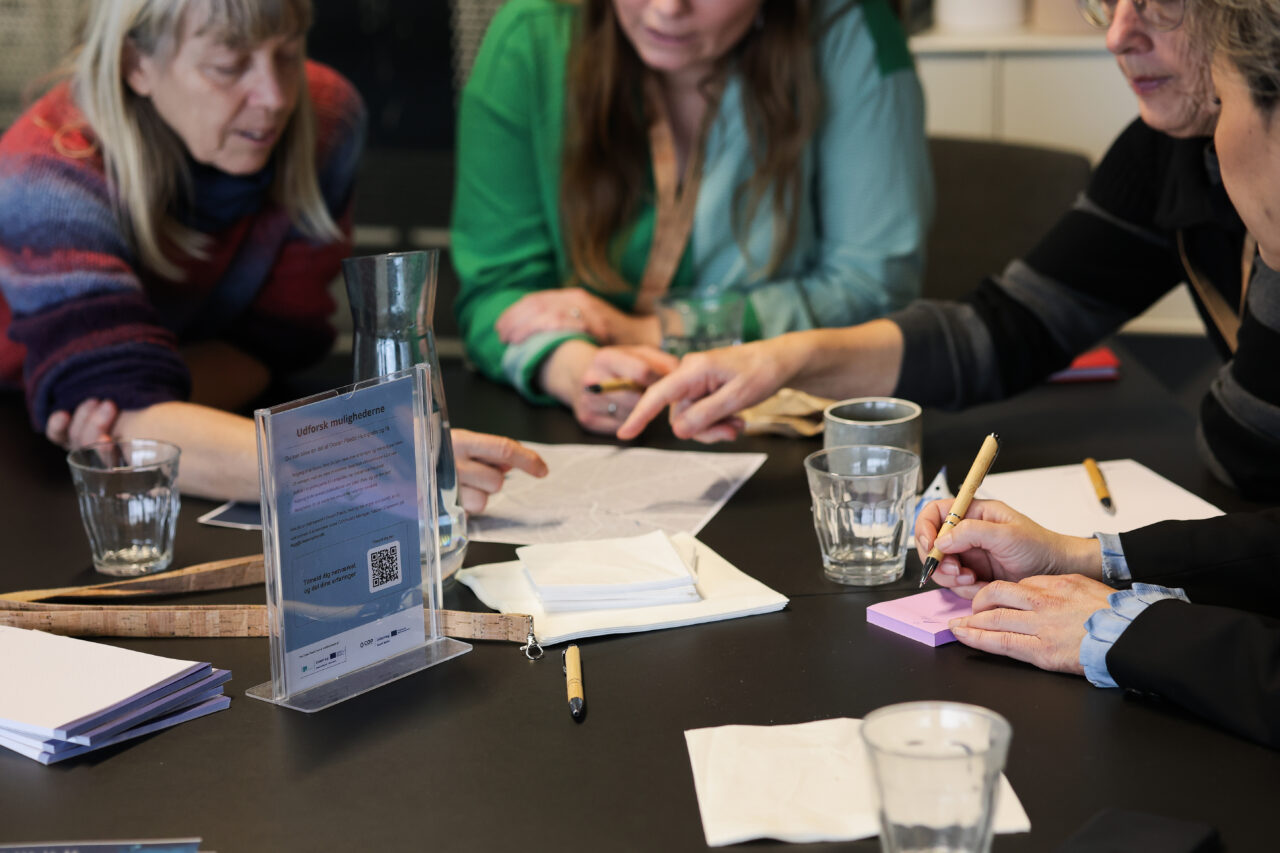
The Circular Ocean-bound Plastic (COP) project has held stakeholder workshops in our three pilot cities over the past six months. We brought together local stakeholders from government, research, industry, waste management, port authorities, tourism and NGOs to identify sources of pollution and find solutions that fit each city’s unique challenges.
Local engagement in the fight against marine litter
Understanding and combating marine pollution requires cross-sectoral collaboration. The aim of the workshops was to ensure that local perspectives were included in the development of concrete solutions to reduce plastic pollution in the South Baltic.
Each workshop focused on:
- Identifying the main sources of pollution from the perspective of local stakeholders.
- Brainstorming concrete actions to reduce the main sources of plastic pollution.
- Prioritizing and outlining future solutions to ensure implementation.
At each workshop, the COP project partners presented the preliminary results of our waste monitoring in the different cities. After which the participants analyzed the 10-20 most common types of waste from the surveyed areas (rivers/outlets). This knowledge formed the basis for a targeted discussion on solutions.
The COP project has organized workshops in three pilot cities:
- Rostock, Germany – September 2024 – hosted by Leibniz Institute forBaltic Sea Research Warnemünde (IOW)
- Gdańsk, Poland – November 2024 – hosted by Gdańsk Water Foundation & University of Gdańsk
- Aarhus, Denmark – January 2025 – hosted by Clean in cooperation with Ocean Plastic Forum & Plast Center Danmark
Common Challenges: Waste origins and patterns
Despite local differences, a clear trend emerged across all three cities – recreation and tourism are among the biggest sources of marine litter. In Aarhus, the waste reflects the city’s busy life around the river, where disposable plastic cups, paper bags and food trays were among the most commonly found items. In fact, in 2024 alone, 5,516 disposable plastic cups were collected from the Aarhus River. In Gdańsk, beverage packaging such as plastic bottles, cans, and glass bottles were the most commonly found items. While in Rostock, cigarette butts and plastic packaging from tobacco products made up the majority of waste.
The mapping of waste sources also showed local differences:
- Recreation and tourism was the largest source of waste in all three pilot cities, with participants estimating it accounted for 30-39% of the waste collected.
- Waste management – overflowing bins and inefficient collection systems – was also a significant challenge in Aarhus and Rostock.
- Marinas and industry played a bigger role in Gdańsk, reflecting the city’s port activities and business community
Proposed solutions: From local initiatives to system changes
Using the Disney method, where all ideas are possible and nothing is unrealistic, participants brainstormed a lot of good ideas. These ideas were then ranked by impact and effort/resources, after which each group selected one solution to focus on. The proposed solutions included:
- Better waste management – e.g. storm and seagull-proof bins to prevent waste from spreading.
- Regulation of single-use plastics – such as higher deposits on cups and bottles or even a ban on single-use cups in nightlife.
- Reward responsible behavior – incentives for companies and citizens who actively reduce plastic waste.
- Awareness campaigns – e.g. a “Bring your own (ugly) cup” campaign to encourage people to ditch disposable cups and bring their own instead.
- Political influence – tightening legislation both locally and nationally, as well as the need for EU regulation that standardizes materials and reduces unnecessary plastic production.
Some solutions were identified as low-hanging fruit that are easier to implement in the short term, while others require political work, resources and long-term commitment at local, national and EU level.
What happens next?
The results from the workshops will be a key part of the COP project analysis and the final action plan to reduce plastic pollution in the Baltic Sea. By combining data and local knowledge, we will develop practical and scalable solutions to tackle the problem at the source.
Thank you to partners and participants.
A big thank you to everyone who participated in these workshops – your insights and commitment are crucial to creating real change!
A special thank you to the company All In On Green, who participated in the workshop in Aarhus and subsequently invited all participants to a demonstration of their innovative SeaProtectorOne system, which collects all the waste we analyze in the COP project.
The workshops were co-financed by the Interreg South Baltic project Circular Ocean-bound Plastic.
Latest news
All news
26. Feb 2026
Clean Insights report : When rain becomes a system challenge
25. Feb 2026
New Interreg project to pioneer stormwater solutions across borders
19. Feb 2026
Danish experience on a Korean scale
3. Feb 2026
New recruitment methods strengthen Danish companies’ access to international specialists
16. Jan 2026
5 key EU funding programmes: Has your project found the right fit?
2. Jan 2026
From idea to testing: Vibration sensor helps RUNI predict wear on expensive machine parts

18. Dec 2025
A new grant strengthens Danish water solutions and helps companies move from idea to market.
16. Dec 2025
How can the environmental health of the Baltic Sea be improved?
26. Nov 2025
Network on Carbon Removal and CCUS Strengthens Ties Through Delegation Trip in Denmark
25. Nov 2025
From methane to microplastics: 14 SMEs receive support to tackle concrete environmental challenges
20. Nov 2025
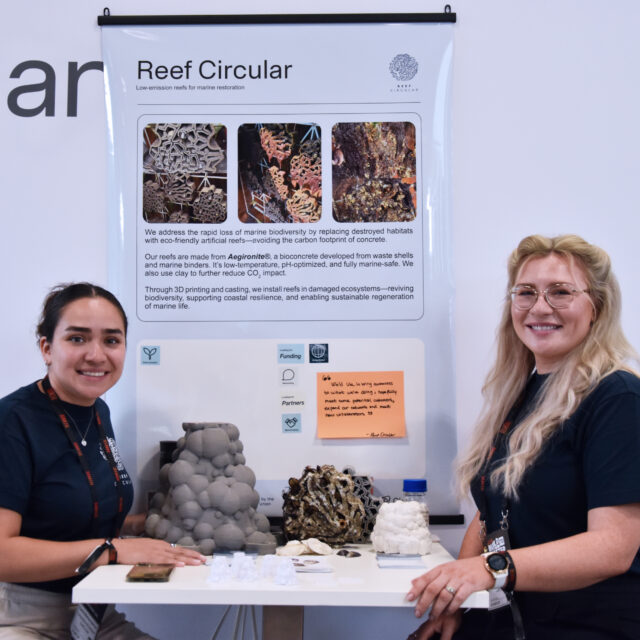
ReefCircular gains international dream partner: New collaboration with WSP is a direct result of Clean-funded pilot project

19. Nov 2025
No company can become circular on its own: more SMEs will develop solutions together through new value chain collaborations
17. Nov 2025
Clean at COP30: From Kalundborg to Belém
31. Oct 2025
Seaweed, Science and Solutions
29. Oct 2025
Shallow groundwater: From challenge to business opportunity for SMEs and startups
27. Oct 2025
British Water and Clean join forces to strengthen water sector collaboration
22. Oct 2025
Danish companies open doors in China
17. Oct 2025
Common challenges, common solutions – knowledge sharing between Denmark and Brazil
16. Oct 2025
Two years of collaborative work ending
10. Oct 2025
Climate adaptation in the border region with POSEIDON
7. Oct 2025
Rock Flour Company receives €6.1 million
29. Sep 2025
10 SMEs in new cross-border pilot projects
24. Sep 2025
PlastTrack at the 100% Climate Neutrality Conference – Making the invisible visible
15. Sep 2025