Computerised electrocoagulation for H2S control
Challenge:
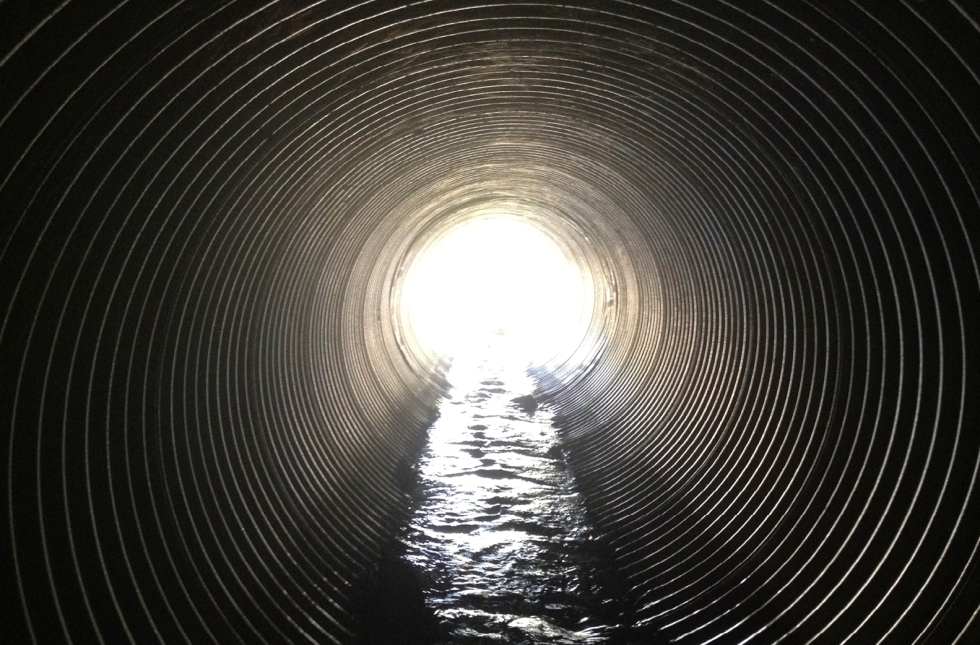
Hydrogen sulphide (H2S) was at this time one of the key issues in wastewater discharge. H2S is highly toxic even at low concentrations and causes corrosion of concrete pipes and structures. At the same time, the concentration is expected to increase as the separation of wastewater and clean water becomes more widespread. At this day, overdosing of iron salts was typically used, which represents a significant expense for utilities.
Solution:
The project aimed to develop a sensor-controlled electrocoagulation as a cost-effective concept for reducing H2S in wastewater systems by oxidising iron plates.
By utilising renewable energy sources, the solution opened up a climate-friendly way to combat H2S.
Impact:
Duration
01/11/2021 – 31/12/2022
Budget
480.000 DKK
Supported by

Want to know more?
-
Kasper Gregersen
Project manager
Tel +45 50 78 59 68
kgg@cleancluster.dk
Linkedin
Partners






Other projects
All projects-
Trace
Trace contributes to Denmark reaching the national climate goals within the circular economy by 2050 with a focus on…
-

ICEFIELD
ICEFIELD is a Danish innovation project working on CO₂ removal in agriculture using a nature-based solution called…
-
Ocean Valley
The Øresund region has a unique opportunity. On both sides of the sea, there are strong energy systems, industrial…
-
LogiCCS
This project aims to develop sustainable, energy-efficient maritime logistics for transporting carbon dioxide (CO2)…