From bottom ash to high value metals
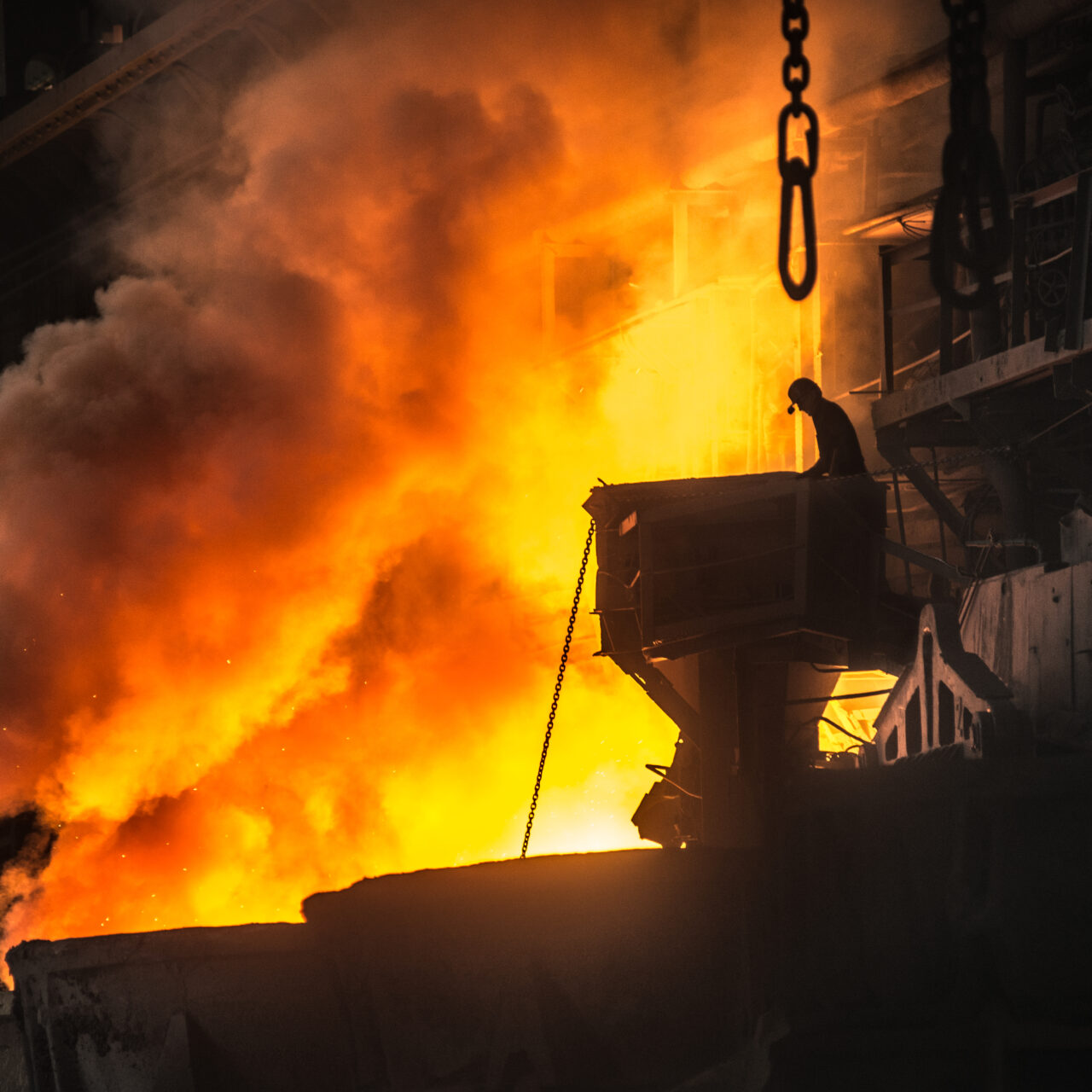
Early Metal Recovery tests a new process for recovering precious metals from incinerated bottom ash (IBA) by combining mechanical treatment with the chemical agent “Super Agent”. The aim is to increase metal recovery, reduce the use of chemicals and process water, and keep more critical raw materials within the EU.
Resource intensive refining and lost precious metals
Today, precious metals are mainly recovered from incinerated bottom ash (IBA) at refineries using processes with high consumption of chemicals and process water, putting pressure on the environment. The fractions are also heterogeneous and difficult to value, so recycling companies only receive partial settlement and have difficulty investing in new solutions. As a result, both precious metals and critical raw materials are lost or exported out of the EU, even though IBA contains significantly higher metal concentrations than the Earth’s crust.
Early metal recovery with “Super Agent” in a closed process
The project tests a new process that combines mechanical treatment of IBA with a chemical agent, “Super Agent”, originally developed for e-waste. The aim is to recover a larger share of precious metals earlier and in more homogeneous fractions before the material is sent to refining. This is expected to reduce the need for chemicals and process water by an estimated 20–30 percent while leaving a valuable residual fraction with critical raw materials such as cobalt and tungsten.
Expected results and potential
If the proof-of-concept is successful, refineries will be able to treat smaller, cleaner fractions and thereby reduce both environmental impact and resource use. At the same time, recycling companies can achieve higher and more accurate settlement because the metal content is better documented. In the longer term, the technology holds potential as a Danish export solution within urban mining, helping secure access to precious metals and critical raw materials within the EU.
Duration
01/12/2025 – 31/10/2026
Budget
200.000
Supported by


Partners
Other projects
All projects-
Trace
Trace contributes to Denmark reaching the national climate goals within the circular economy by 2050 with a focus on…
-

ICEFIELD
ICEFIELD is a Danish innovation project working on CO₂ removal in agriculture using a nature-based solution called…
-
Ocean Valley
The Øresund region has a unique opportunity. On both sides of the sea, there are strong energy systems, industrial…
-
LogiCCS
This project aims to develop sustainable, energy-efficient maritime logistics for transporting carbon dioxide (CO2)…