3. Mar 2025
Plastic and wood waste finds a new life in 3D-printed homes
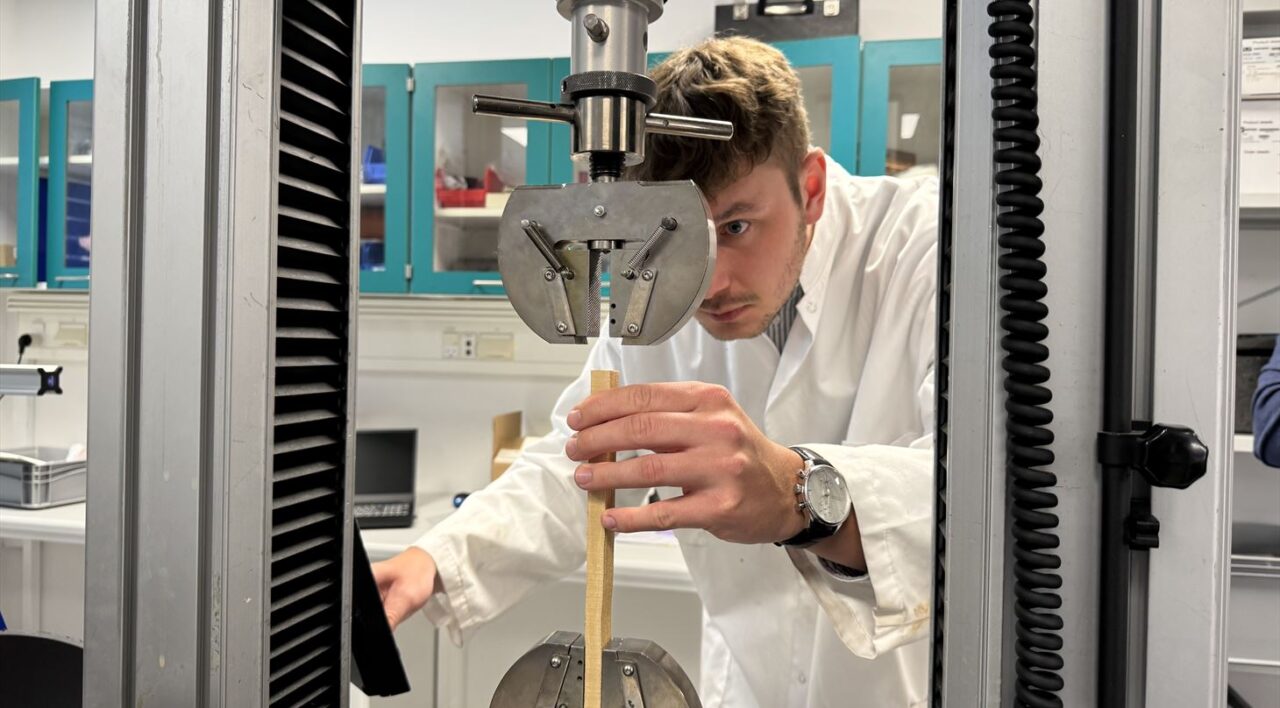
Cheaper housing with 3D printing and composites from plastic and wood waste. This is the goal of a Closing Loops project in which the Danish Technological Institute has helped WOHN and Solum ensure that resources lost can create value again.
The pressure on the housing market has increased the need to rethink how—and in what sizes—we build homes. A value chain collaboration is leading the way by turning plastic and wood waste into building materials. Using 3D printing, these can become so-called tiny houses. This opens up housing solutions that can make the market more accessible while reducing construction’s carbon footprint.
New ways of collaboration are essential to unite waste resources and technology in circular solutions that promote green transition. Denmark’s water and environment cluster Clean, which is leading the project, has matched key players Solum A/S, Wohn, and the Danish Technological Institute to create a mutually valuable partnership.
The right waste for the job
Traditionally, recycling waste wood and plastic into high-value products has been a challenge. In the Closing Loops project, the partners investigate how the materials can be processed into a wood fiber composite suitable for 3D printing. The goal is to produce entire homes from the composite material, and the Danish Technological Institute plays a key role in determining which types of waste are best suited for the purpose.
We have activated several of our knowledge fields, such as 3D printing, mechanical testing, statics, environmental impact, and building technology to ensure that waste plastics and waste wood become high-value building materials that meet all requirements for both durability and CO₂ reduction, says Frederik R. Steenstrup, Project Manager at the Danish Technological Institute.
Artificial intelligence sorts large amounts of waste
Based on waste materials from demolition projects, which are often difficult to sort, Solum A/S has developed a robot that uses artificial intelligence to distinguish between the different waste fractions. This is an important step to ensure that both waste wood and plastic are correctly selected and prepared for recycling in the 3D printing process.
The Danish Technological Institute’s in-depth knowledge of chemistry and material analysis takes our work to a level we could not have achieved otherwise. Their support allows us to improve sorting and accurately select materials suitable for production, especially with specific plastic types such as PP and PE. The collaboration gives us access to skills and resources that strengthen the quality and potential of the entire project, explains Simon Holm from Solum A/S and adds:
It is a great advantage to have a strong knowledge partner like the Danish Technological Institute behind us, who has both the skills and the necessary tools to perform tests that we do not have the opportunity and resources to carry out ourselves.
Benefits for the environment and housing market
A tight housing market and increasing demand for small and affordable housing create new opportunities for innovation. In Wohn’s solution, the need for accessible housing comes together – without compromising on quality or functionality.
The 3D printed homes are expected to be not only functional and affordable, but also efficient in material consumption.
At WOHN, we believe in creating something that makes a difference for both the climate and the housing market. By combining the Danish Technological Institute’s knowledge of material characterization and certification with our vision of resource-efficient housing construction, we have a solution that can deliver a CO₂ reduction of over 90 percent compared to similar buildings made of concrete and steel, says Morten Bove, CEO and founder of WOHN.
A key part of the value chain is the integration of circular principles, where homes at their end-of-life are taken back, decomposed into a new composite material. The material is reused in a new circular cycle in the form of new homes. This process can be repeated up to seven times, extending the resource function of the waste and homes to a total lifetime of 350-400 years.
About Closing Loops
Closing Loops is Denmark’s largest circular economy initiative and aims to reduce CO₂ emissions by 235,000 tons and waste by 42,000 tons over three years. The project brings together up to 46 value chain collaborations across industries where companies implement and scale up circular solutions. Closing Loops is co-funded by the European Union and the Danish Board of Business Development.
This article is written and published by the Danish Technological Institute.
Want to know more?
-
Sean Coogan
Project Manager
Tel +45 23 91 76 72
sec@cleancluster.dk
Linkedin
Latest news
All news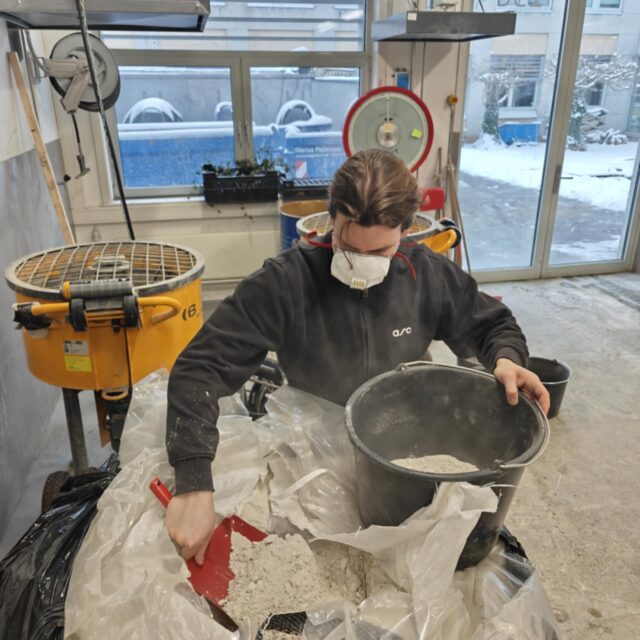
2. Mar 2026